
Description
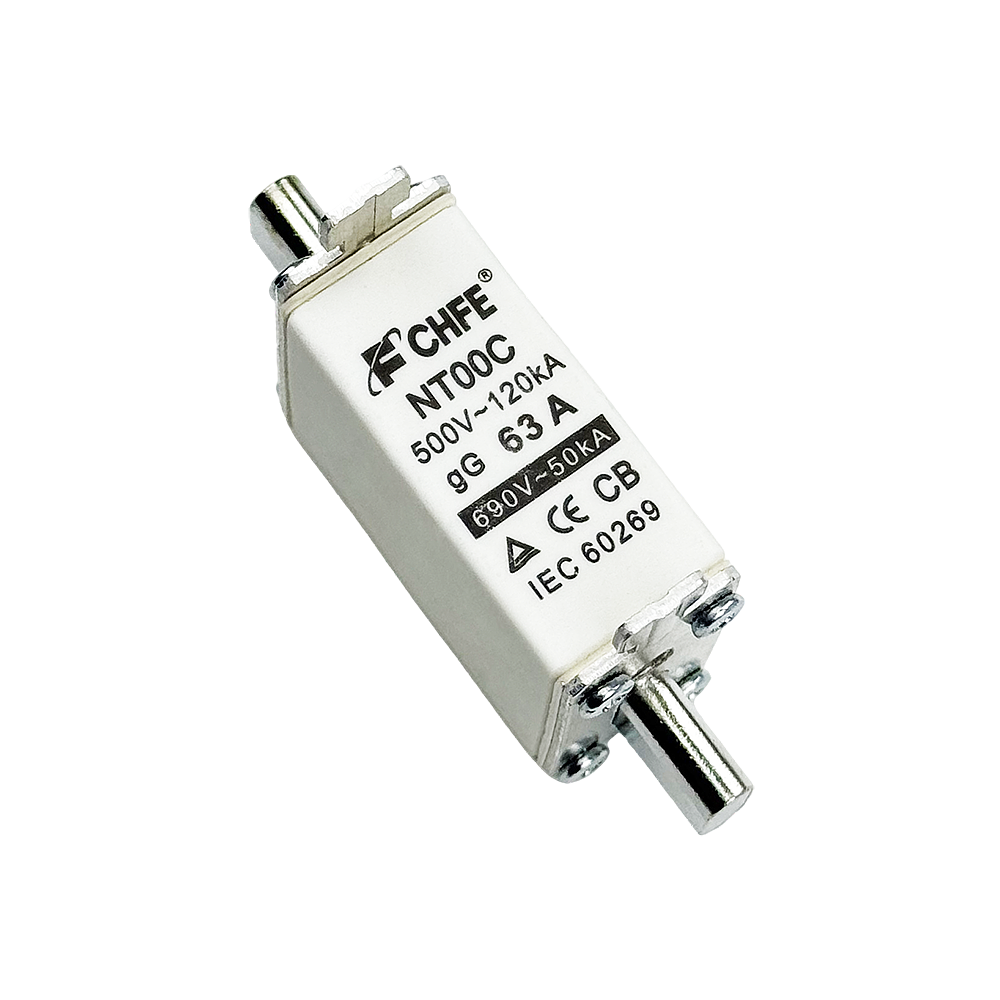
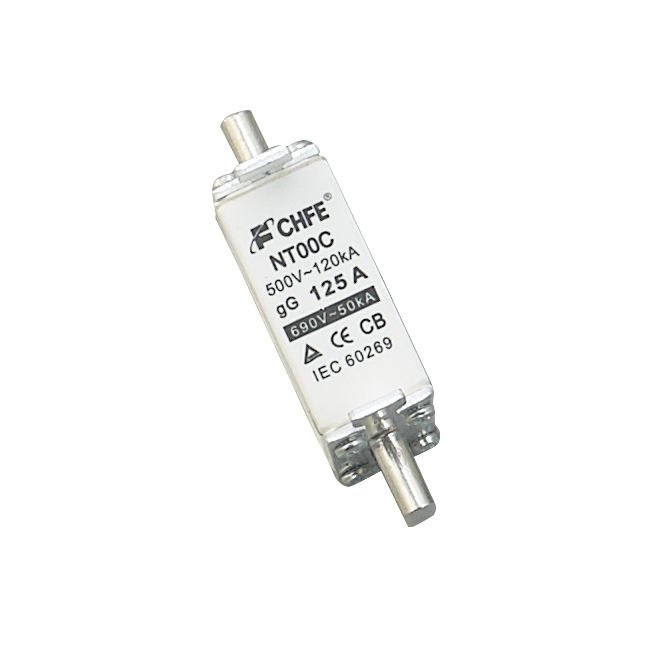
– A ceramic copper blade NH00 fuse is a type of low-voltage fuse designed for industrial applications, particularly for protecting electrical equipment and circuits from overcurrent and short-circuit faults.
– It features a ceramic body, copper blade contacts, and a fuse element, often with a central indicator to show when the fuse has blown.
– These fuses are rated for specific voltage and current levels, with a high breaking capacity to handle significant fault currents.
Key Features:
Ceramic Body:
The ceramic material provides high insulation and mechanical strength, making the fuse durable and resistant to thermal and pressure stresses.
Copper Blade Contacts:
These contacts ensure a reliable connection to the fuse base and allow for efficient current flow.
Fuse Element:
The fuse element, typically made of copper or a copper alloy, is designed to melt and break the circuit when the current exceeds the fuse’s rating.
Central Indicator:
Many NH00 fuses include a visual indicator, often a small pin or button, that pops out when the fuse blows, making it easy to identify a blown fuse.
Rated Voltage and Current:
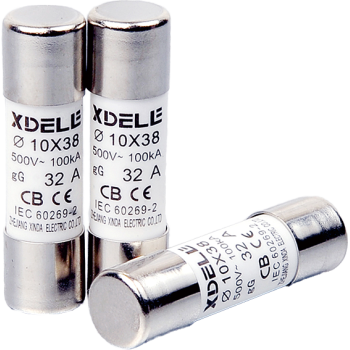
These fuses are specified with a rated voltage (e.g., 500V) and a range of rated currents (e.g., 63A-160A), indicating the voltage and current levels they are designed to handle.
High Breaking Capacity:
NH00 fuses are known for their high breaking capacity, meaning they can safely interrupt high short-circuit currents, according to ECS Express Store.
gG/aR Classification:
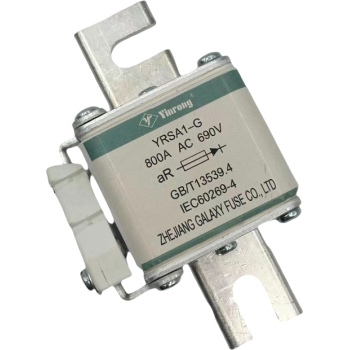
They are often classified as gG (general-purpose) or aR (for semiconductor protection), indicating their specific application and protection characteristics.
Reviews
There are no reviews yet.